



Test standards
Find the machine for the test method you follow.
ASTM International
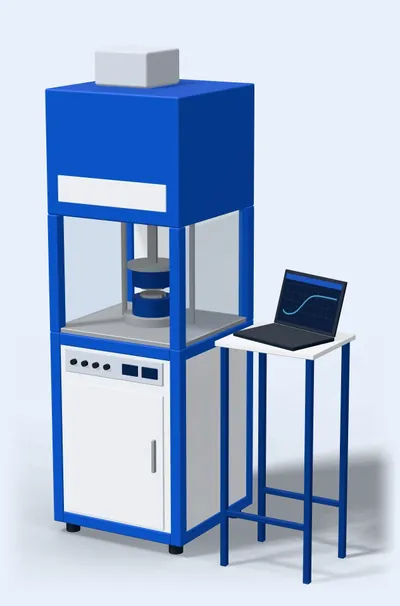
Vulcanisation characteristics of rubber using an oscillating disc cure meter.
Vulcanisation characteristics of rubber using rotorless cure meters.
Mooney viscosity, stress relaxation and pre-vulcanisation (scorch) characteristics.
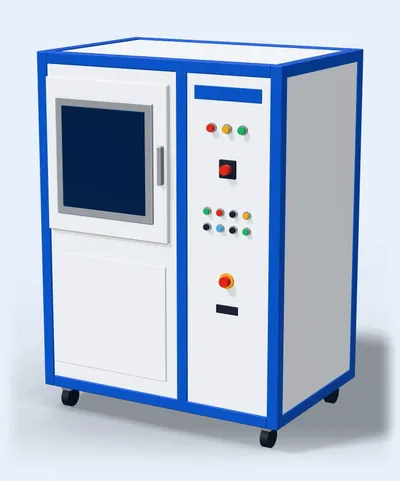
Cracking of rubber in a controlled ozone environment.
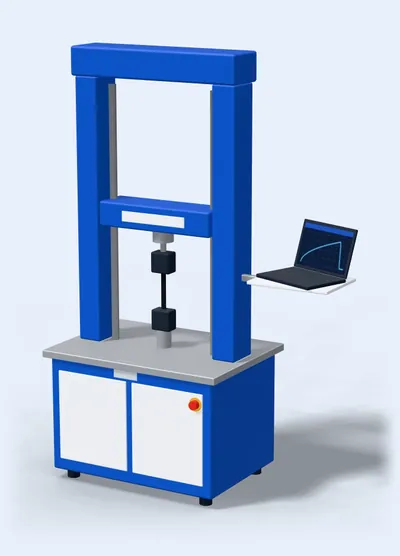
Tension properties of vulcanised rubber and thermoplastic elastomers.
ISO (International Organization for Standardization)
Vulcanisation characteristics measured with an oscillating disc curemeter.
Vulcanisation characteristics measured with a rotorless curemeter.
Mooney viscosity (Part 1) and pre-vulcanisation characteristics (Part 2) with a shearing-disc viscometer.
Resistance to ozone cracking under static and dynamic strain.
Burning behaviour of interior materials for road vehicles, tractors and machinery.
Tensile stress–strain properties of vulcanised or thermoplastic rubber.
Indian Standards (BIS)
Burning behaviour of vehicle interior materials: horizontal burning rate, vertical burning rate and melting behaviour (Indian Standard).
Fire-retardant plywood: requirements for flammability, flame penetration and rate of burning (Indian Standard).
Methods of test for plywood: determination of fire resistance (Indian Standard).
Brake hose assemblies for hydraulic braking systems, with a method for the whip test (Indian Standard).
UN vehicle regulations (UNECE)
Burning behaviour of materials used inside buses and coaches: horizontal burning rate, melting behaviour and vertical burning rate.
Devices for indirect vision, which covers rear-view mirrors. Includes the pendulum impact test and a bending test.
Rear-view mirrors of two-wheeled vehicles. Includes the impact test and the bending test on the holder fixed to the stem.
SAE International
Hydraulic brake hose assemblies for road vehicles. The whip test apparatus follows this practice.
FMVSS (United States)
Flammability of vehicle interior materials (United States federal standard).
Brake hoses (United States federal standard). In the whip resistance test the hose runs for 35 hours without rupture.
Following a customer or in-house method?
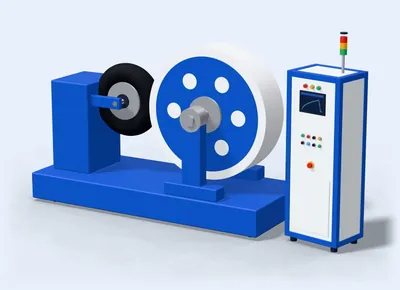
Durability and endurance rigs are built to the test specification you give us: loads, speeds, temperatures, cycle counts and the report you need.
Tell us what you are testing
Three details are enough for us to start:
- The part, compound or specimen you test
- The test standard or method you follow
- The ranges you need and the tests you run per day
What happens next
- 1An engineer reads your requirement and calls if anything is unclear.
- 2We propose a machine configuration for your specimen and standard.
- 3You receive a quotation with scope, delivery time and support terms.