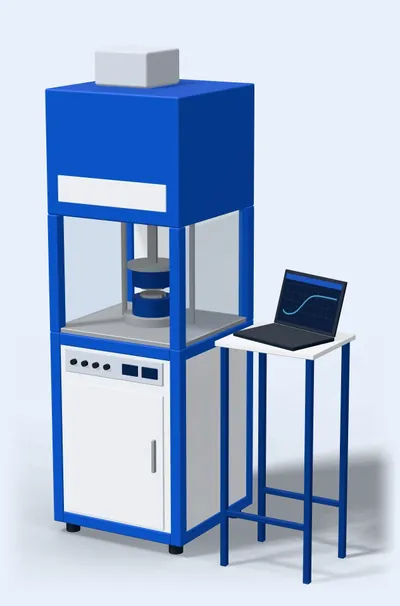
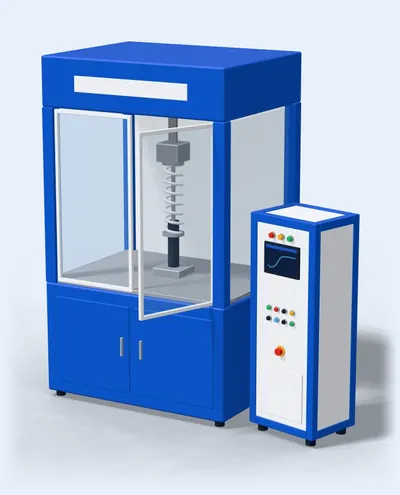
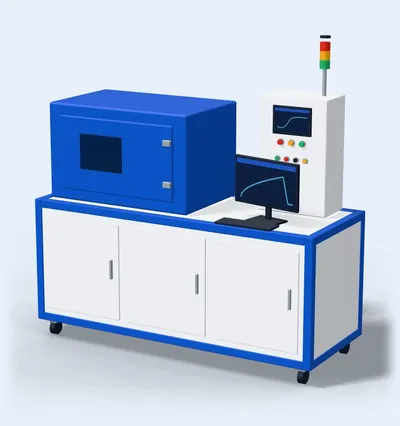
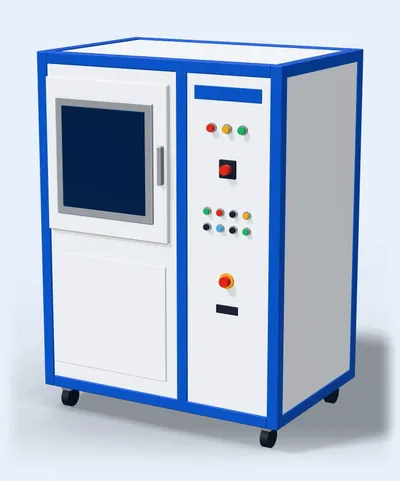
Oscillating Disc Rheometer (ODR)
Measures rubber cure behaviour (scorch time, t90, ML and MH) with PC software and batch reports.
Overview
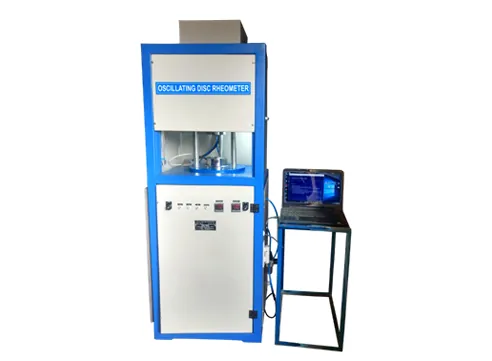
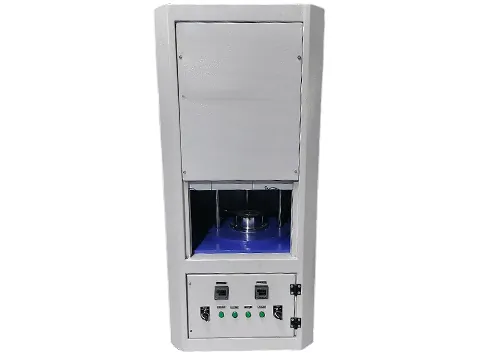
Our Oscillating Disc Rheometer measures how a rubber compound cures. A biconical disc oscillates inside a heated, pressurised die cavity filled with the sample, and the machine records torque against time to produce the cure curve your compound decisions depend on.
The cure curve, point by point
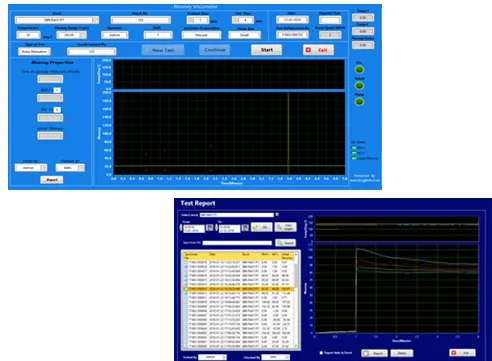
The rheometer records torque against time while the compound cures, and the software reads the key points off the curve.
- Minimum and maximum torque (ML, MH)
- Scorch time (ts1, ts2)
- Cure times such as t50 and t90
- Cure rate and cure-curve comparison between batches
Key features
Controlled die temperature
Consistent, repeatable cure curves.
PC software
Live cure graph and statistical analysis.
Data logging and reports
Every test is logged, with reports for traceability.
Built to your requirement
Configured for your specimen, load, speed and cycle count.
MDR, ODR or Mooney viscometer?
Three instruments, three questions. Most compounding labs run a cure meter and a viscometer side by side.
Oscillating Disc Rheometer (ODR)
- What it measures
- Cure curve: ML, MH, ts2, t90
- How the sample is tested
- A biconical disc oscillates inside the sample
- Test methods
- ASTM D2084, ISO 3417
- Choose it when
- Your customer specifies an oscillating disc method
Moving Die Rheometer (MDR)
- What it measures
- Cure curve: ML, MH, ts2, t90
- How the sample is tested
- Between two dies; the lower die oscillates
- Test methods
- ASTM D5289, ISO 6502-3
- Choose it when
- You want fast, repeatable cure data for QC and R&D
Mooney Viscometer
- What it measures
- Mooney viscosity, scorch, stress relaxation
- How the sample is tested
- A rotor turns at constant speed in the sample
- Test methods
- ASTM D1646, ISO 289
- Choose it when
- You check how raw polymer and compound will process
Specifications
At a glance
- Measures
- Cure curve: ML, MH, ts2, t90
- Test methods
- ASTM D2084, ISO 3417
- Control
- PLC, HMI touch panel and PC software
- Customisation
- Fixtures, ranges and test sequence built to your specimen and standard
Each machine is configured for the specimen and the standard you follow. Mention them in your enquiry and we will send a specification with the quotation.
Oscillating Disc Rheometer (ODR): questions buyers ask
Not sure which machine fits your test? Call an engineer on +91 98500 35112.
What does the Oscillating Disc Rheometer (ODR) test?
Measures rubber cure behaviour (scorch time, t90, ML and MH) with PC software and batch reports. Typical tests: minimum and maximum torque (ML, MH); scorch time (ts1, ts2); cure times such as t50 and t90; cure rate and cure-curve comparison between batches.
Which test standards does it follow?
ASTM D2084 and ISO 3417. Tell us the method you follow and we configure the machine for it.
What control and software does it have?
A PLC with an HMI touch panel runs the machine, and PC software shows live graphs, logs the data and prints reports.
Do you install the machine and train our operators?
Yes. We install and commission the machine at your site and train your operators. Service comes from the same team in Pune that built it.
Need an ODR for your lab?
Three details are enough for us to start:
- The part, compound or specimen you test
- The test standard or method you follow
- The ranges you need and the tests you run per day
What happens next
- 1An engineer reads your requirement and calls if anything is unclear.
- 2We propose a machine configuration for your specimen and standard.
- 3You receive a quotation with scope, delivery time and support terms.