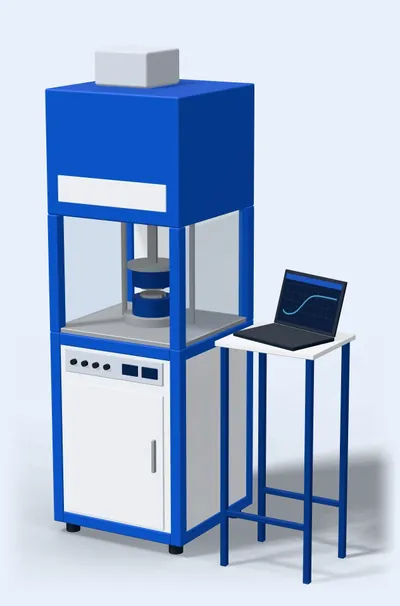
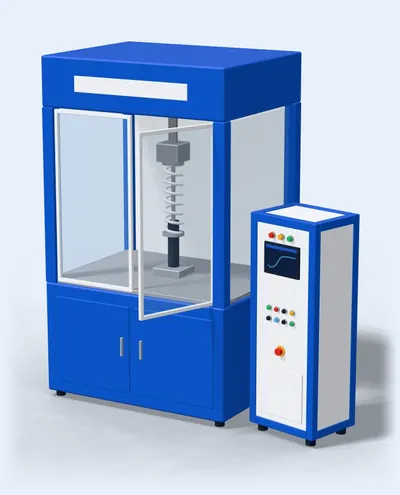
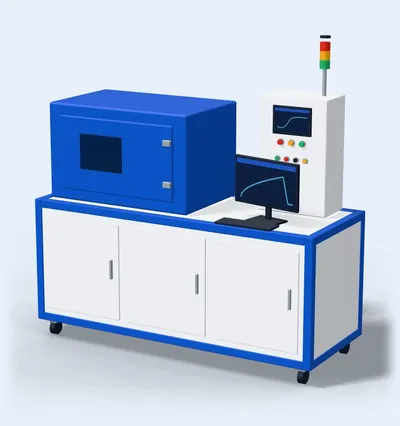
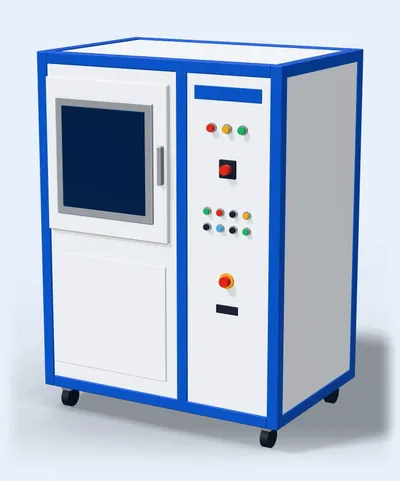
Rotary & Reciprocating Seal Friction Test Machine
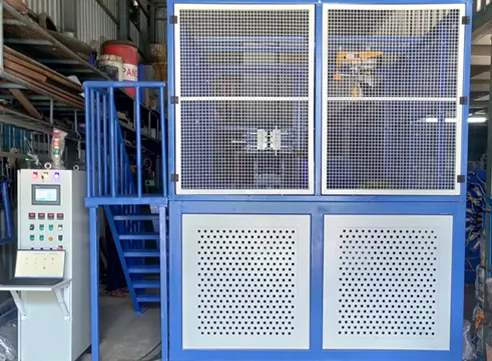
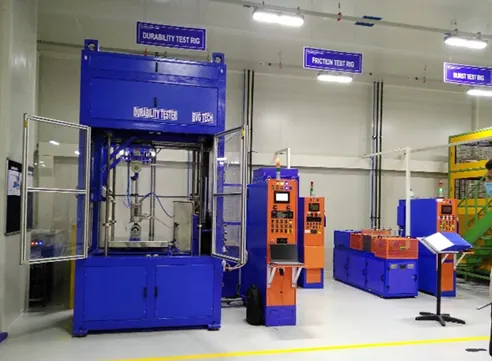
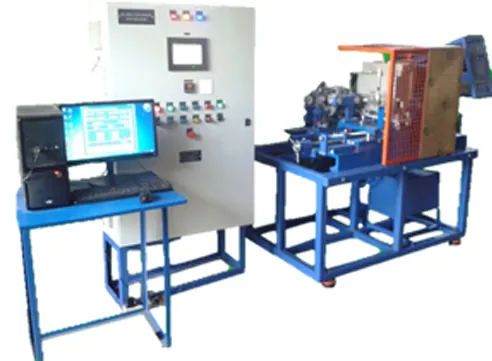
Friction torque and force of rotary and reciprocating seals, with a report for every sample.
Overview
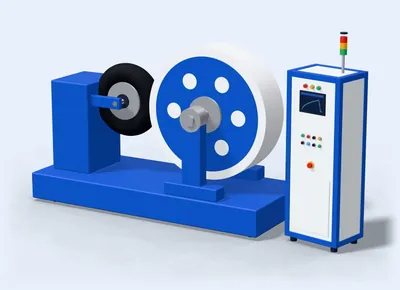
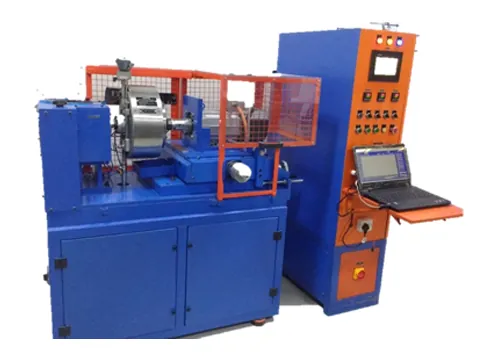
Friction decides how efficiently a seal runs and how long it lasts. This machine measures friction torque on rotary seals and friction force on reciprocating seals under controlled speed, stroke, load and temperature, and produces a test report for every sample.
What it tests
- Friction torque of rotary oil seals
- Friction force of reciprocating (rod/piston) seals
- Friction change with temperature and run-in
Key features
Torque and force measurement
With data acquisition for every run.
Automatic reports
A test report is generated for every sample.
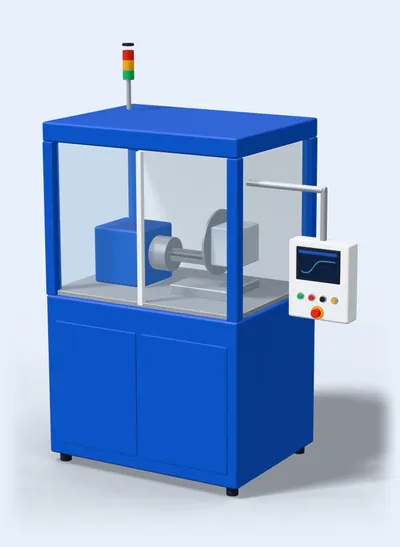
PLC and HMI control
Set, run and monitor tests from a touch panel.
Specifications
At a glance
- Measures
- Friction torque and force of seals
- Control
- PLC with HMI touch panel
- Customisation
- Fixtures, ranges and test sequence built to your specimen and standard
Each machine is configured for the specimen and the standard you follow. Mention them in your enquiry and we will send a specification with the quotation.
Seal Friction Test Machine: questions buyers ask
Not sure which machine fits your test? Call an engineer on +91 98500 35112.
What does the Seal Friction Test Machine test?
Friction torque and force of rotary and reciprocating seals, with a report for every sample. Typical tests: friction torque of rotary oil seals; friction force of reciprocating (rod/piston) seals; friction change with temperature and run-in.
Can it be built to our test standard?
Yes. Fixtures, ranges and the test sequence are built around your specimen and the standard you follow.
What control and software does it have?
A PLC with an HMI touch panel is used to set, run and monitor the test.
Do you install the machine and train our operators?
Yes. We install and commission the machine at your site and train your operators. Service comes from the same team in Pune that built it.
Need a seal friction tester?
Three details are enough for us to start:
- The part, compound or specimen you test
- The test standard or method you follow
- The ranges you need and the tests you run per day
What happens next
- 1An engineer reads your requirement and calls if anything is unclear.
- 2We propose a machine configuration for your specimen and standard.
- 3You receive a quotation with scope, delivery time and support terms.